Deerfield Beach Oceanfront Condos Buyer Guide
February 19, 2026
February 19, 2026
If you picture morning coffee with the ocean right outside your window, Deerfield Beach oceanfront condos are calling your name. Buying on the sand is exciting, but it comes with unique rules, inspections, and costs you do not see inland. In this guide, you will learn how the local market works, what fees and insurance to expect, what to check about building safety, and how rentals and financing really work on the beach. Let’s dive in.
Before you fall in love with a view, get clear answers to these items:
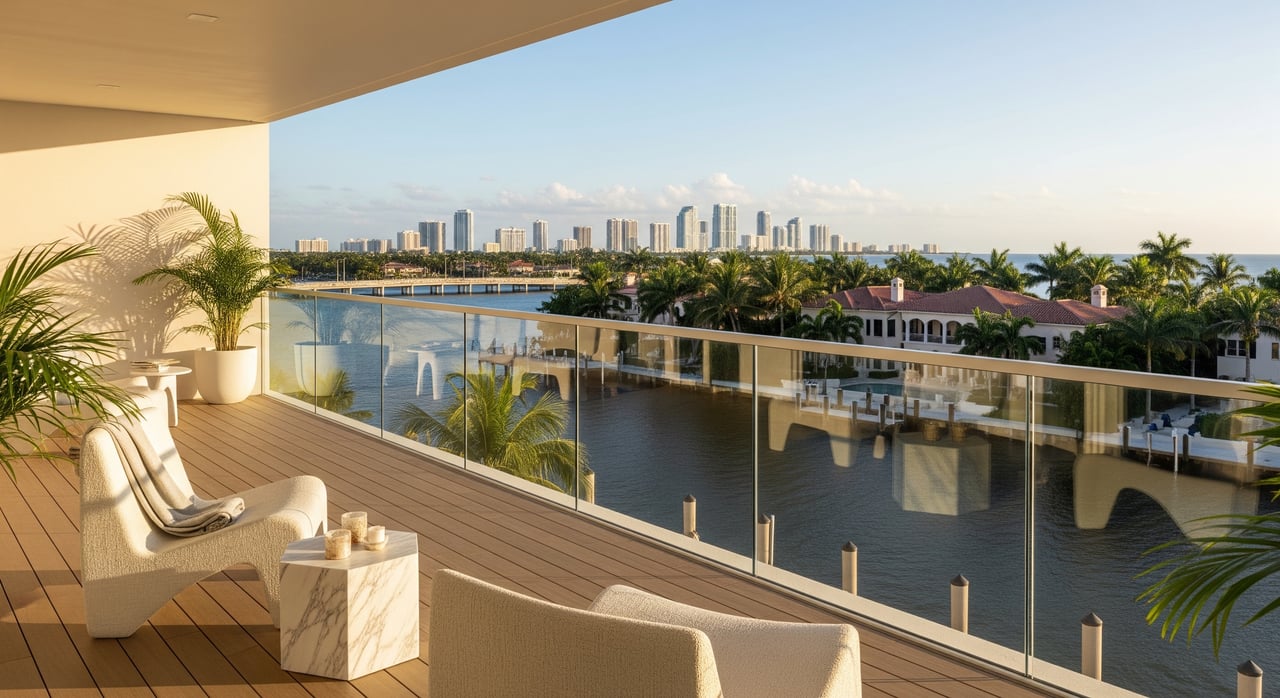
In Northeast Broward, the Deerfield Beach and Hillsboro shoreline offers a mix of older mid-rise towers and boutique or newer luxury buildings. Compared with Fort Lauderdale Beach’s peak pricing, recent local reporting described Deerfield and Hillsboro oceanfront prices as lower, with inventory that felt close to neutral for buyers and sellers. That balance gives you more choice across age, size, and amenity levels.
Newer boutique buildings from the 2000s and 2010s usually command higher prices due to modern construction, impact glass, garages, and concierge-style amenities. Older buildings from the 1960s to 1980s often deliver a lower entry price and walk-to-boardwalk locations, but they may carry greater inspection and assessment risk as systems age. The right fit comes down to your budget, time horizon, and appetite for upcoming projects.
You will see many 1960s–1980s reinforced-concrete buildings along the Deerfield Beach boardwalk and barrier island. Classic examples include 1960s high-rises such as Tiara East. You will also find boutique oceanfront projects from the early 2000s, like Ocean Plaza (2003) and Orchid Beach (2005–2006), that often feature impact windows, modernized systems, and enclosed or deeded garage parking.
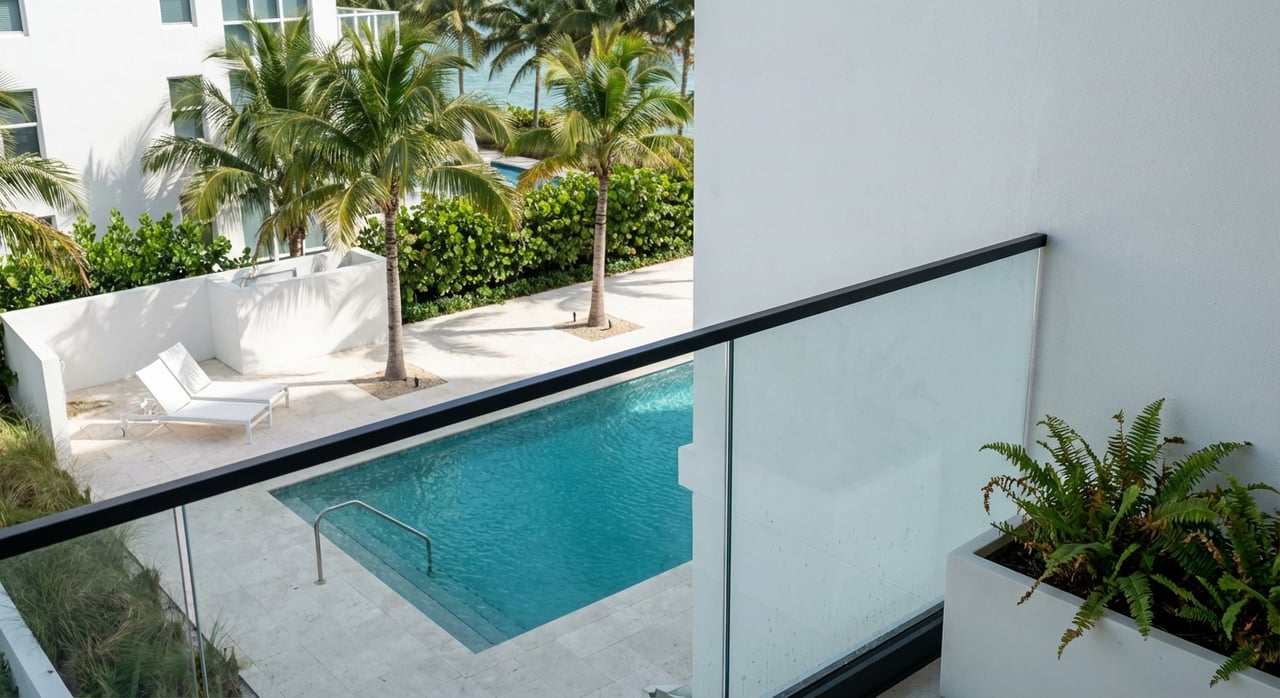
Amenities vary by building and price tier. Expect some mix of the following: private or dedicated beach access, heated pool and hot tub, fitness center, social or club room, storage lockers, on-site management or concierge, secured entry, and garage or deeded parking. Newer and luxury buildings are more likely to include full-service features and 24/7 security.
Monthly HOA or maintenance fees on the oceanfront vary widely by building, unit size, amenities, and insurance costs. Real listing examples in Deerfield Beach show a spread from several hundred dollars per month in small low-rise buildings to about 1,000 to 1,600-plus per month in larger oceanfront buildings that include garages and robust amenities. Use these as ranges only. Every association is unique.
What your dues often include: master insurance, exterior and common-area maintenance, pool and grounds, management, water and trash, some cable or internet packages, and reserve contributions. Always verify the current budget, reserve study, and exact “maintenance fee includes” line items.
Why fees can rise: Since 2022, association property insurance premiums in Florida have increased sharply. Industry data show average association policy costs roughly doubled from mid-2022 to 2024. On top of that, the state’s milestone inspection and reserve rules require associations to fund structural reserves and complete repairs on deadline. Many buildings have responded with higher dues, larger reserve lines, or special assessments. (Insurance trend overview; Florida law summary)
Condominium coverage has two layers:
Most Florida coastal policies use percentage-based wind or hurricane deductibles, commonly 1 to 5 percent of insured value. On a large oceanfront tower, that translates into a very large dollar deductible for the association. If a storm hits, the board may use reserves or assess owners to cover the deductible. You should confirm the exact deductible and how any special assessment would be allocated to your unit. (Hurricane deductible guide)
Standard homeowners policies do not cover flooding or storm surge. If the building sits in a FEMA Special Flood Hazard Area, your lender will likely require flood insurance. Check the property’s flood zone and request any available elevation certificate to help your insurance agent quote accurate premiums. (Check flood zones)
After the Surfside tragedy, Florida adopted new building safety rules for condominiums. State law requires milestone structural inspections for buildings of three or more stories at defined ages, plus Structural Integrity Reserve Studies that guide reserve funding. If a Phase 1 inspection suggests issues, a more detailed Phase 2 inspection and repairs can follow. Buyers should review the association’s completed inspections, engineer reports, and any repair plans or permits. (Read SB 4-D)
Broward County and many cities also run building safety and recertification programs. Local authorities may set 25- or 30-year recertification schedules and require checks on electrical systems, parking structures, and other components. Always confirm the building’s local recertification status with the city or county and ask for sealed reports. (Local program info)
Why this matters: Inspection findings can trigger repair timelines, limit amenities during construction, impact financing, and produce large special assessments. Your offer should include time to review these documents.
Association rental policies vary. Many oceanfront condos set minimum lease terms, limit how often a unit can be rented, require tenant applications, and charge transfer or screening fees. Under Florida law, amendments that prohibit renting or change lease length or frequency generally apply only to owners who consent and to buyers who acquire title after the amendment date. That means rental limits can apply differently depending on when you buy. Get the exact rule text, not a verbal summary. (Florida Statute 718.110)
If you plan short-term rentals or seasonal stays, check city rules as well. Deerfield Beach maintains a Business Tax Receipt and vacation rental registration process, with applications and renewals posted online. You will also need to plan for state sales tax and the Broward tourist development tax where required. City registration is separate from association approval and both may be needed. (Deerfield Beach registration info)
Lenders underwrite the condo association along with your loan. They will look at reserves, insurance coverage and deductibles, special assessments, litigation, percentage of units rented, and owner-occupancy. These factors affect whether a project qualifies for certain loan programs and interest rates. If you need financing, work early with a lender experienced in South Florida condos and include a condo-documentation contingency in your offer.
Use this practical list before you make an offer:
Ready to tour buildings and compare fees, inspections, and insurance side by side? Reach out to the team at Power Duo Group to get a focused condo search, local insights, and a clear plan from offer to closing.
Stay up to date on the latest real estate trends.
Partner with Power Duo Group for expert guidance, market insight, and a seamless real estate experience. Whether buying, selling, or investing, we’re here to help you achieve your goals with confidence.