Guide to West Palm Beach Neighborhoods: Downtown or Suburbs?
February 5, 2026
February 5, 2026
Torn between the energy of Clematis Street and the quieter rhythm of a neighborhood with a yard? You are not alone. Choosing between downtown West Palm Beach and the suburbs comes down to lifestyle, commute, home type, and budget. In this guide, you will learn the real tradeoffs so you can feel confident about your next move. Let’s dive in.
Downtown West Palm Beach centers on Clematis Street, Rosemary Square, and Flagler Drive along the Intracoastal. You get walkable access to restaurants, events, and waterfront promenades. Most homes are condos and apartments with amenities and HOA or condo fees.
Suburban West Palm Beach covers a range of neighborhoods within and around city limits, plus nearby municipalities across Palm Beach County. You are more likely to find single‑family homes with yards, driveways, and garages, along with a quieter, residential feel.
If you want to walk to dinner, coffee, and cultural events, downtown delivers. Many daily needs are within a few blocks of Clematis and Flagler. Public spaces and festivals are a regular part of life, which keeps the area lively.
Suburban neighborhoods tend to be more car‑oriented, with retail in strip centers and standalone shops. You gain private outdoor space for grilling, gardening, and weekend play. Most errands require a short drive, which many residents prefer for ease and parking.
I‑95 and major east‑west corridors like Okeechobee Boulevard, Belvedere Road, and 45th Street connect much of the metro. Travel time depends on the time of day and destination, so test your route during peak hours.
Downtown locations offer easier access to local bus routes and regional rail connections. Living close to central stations simplifies commuting by transit or taking occasional trips within South Florida. In suburban areas, you often drive to a transit stop or rely more on your car.
Downtown parking can be limited or metered. Condo buildings typically use assigned garage spaces and guest parking rules, and event nights increase demand. In the suburbs, you will likely park in your own driveway or garage and find spaces more easily near local shops.
Most downtown properties are mid‑rise and high‑rise condos or multifamily buildings. Expect smaller footprints, like one and two bedrooms, plus community amenities such as pools, gyms, and security. Plan for HOA or condo fees and potential parking costs as part of your monthly budget.
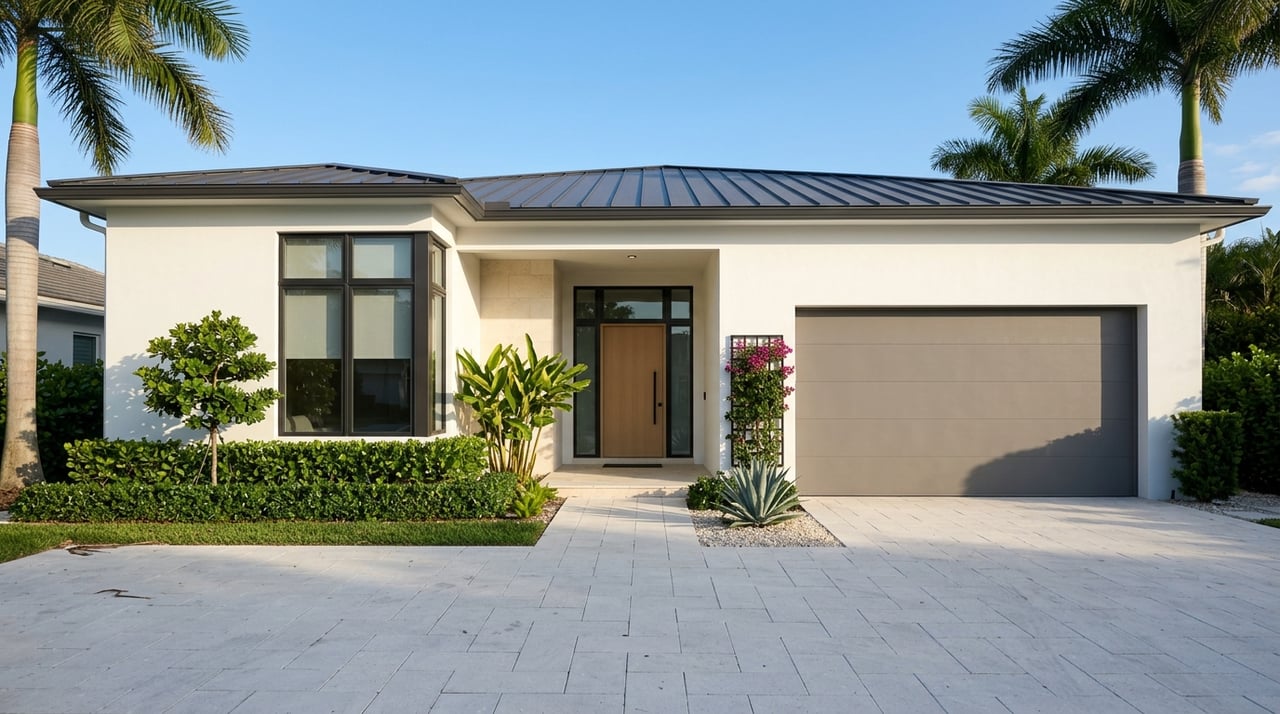
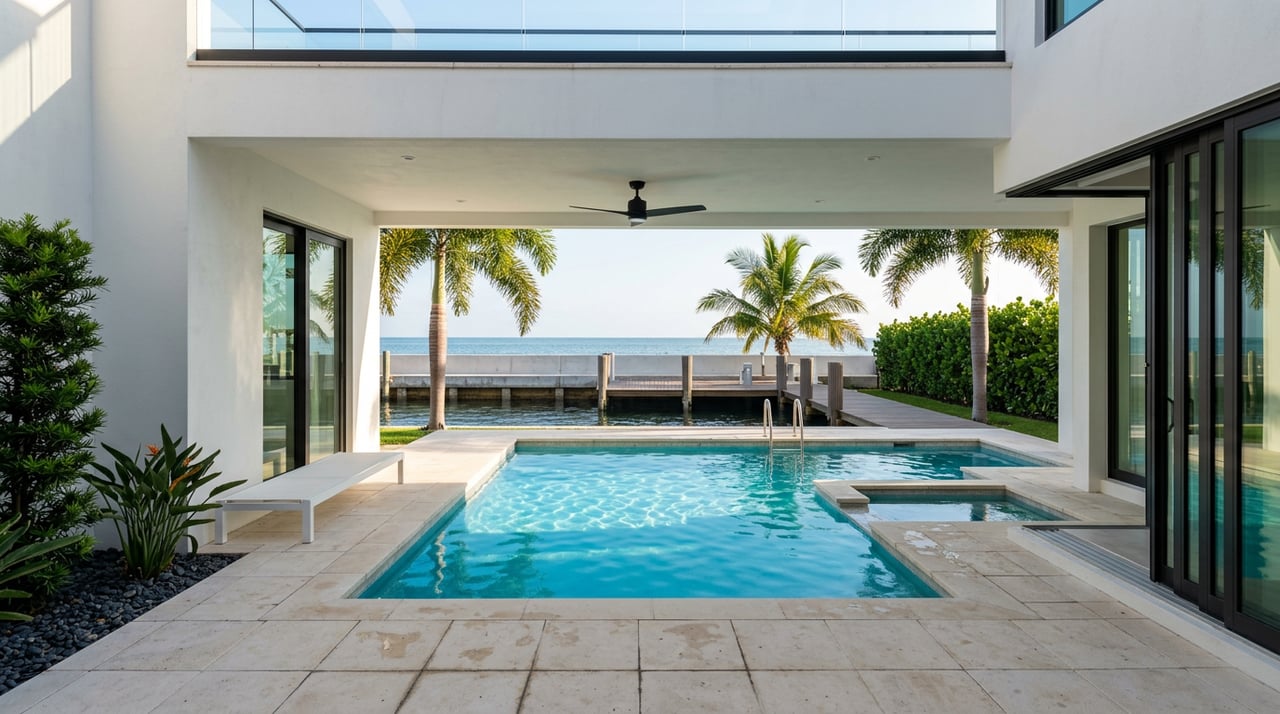
Suburban neighborhoods feature single‑family homes, duplexes, townhomes, and low‑rise condos. You gain more square footage, private yards, and options to add outdoor living. Maintenance responsibilities are higher, and HOA fees may be lower or not present depending on the subdivision.
Proximity to the Intracoastal and elevation can influence flood insurance needs and premiums. Downtown and waterfront‑adjacent homes may have different exposure than inland neighborhoods. Check FEMA flood maps, elevation, and recent insurance quotes for any property you are considering.
Downtown concentrates restaurants, bars, specialty dining, and cultural venues. Festivals and waterfront events are common along Flagler Drive. You can step out your front door and join the action most evenings.
Suburban dining and shopping cluster in commercial corridors and malls. You will find casual restaurants, neighborhood events, and family‑friendly options, though late‑night venues are less concentrated. Many residents prefer the balance of quieter nights at home with easy access to downtown when they want it.
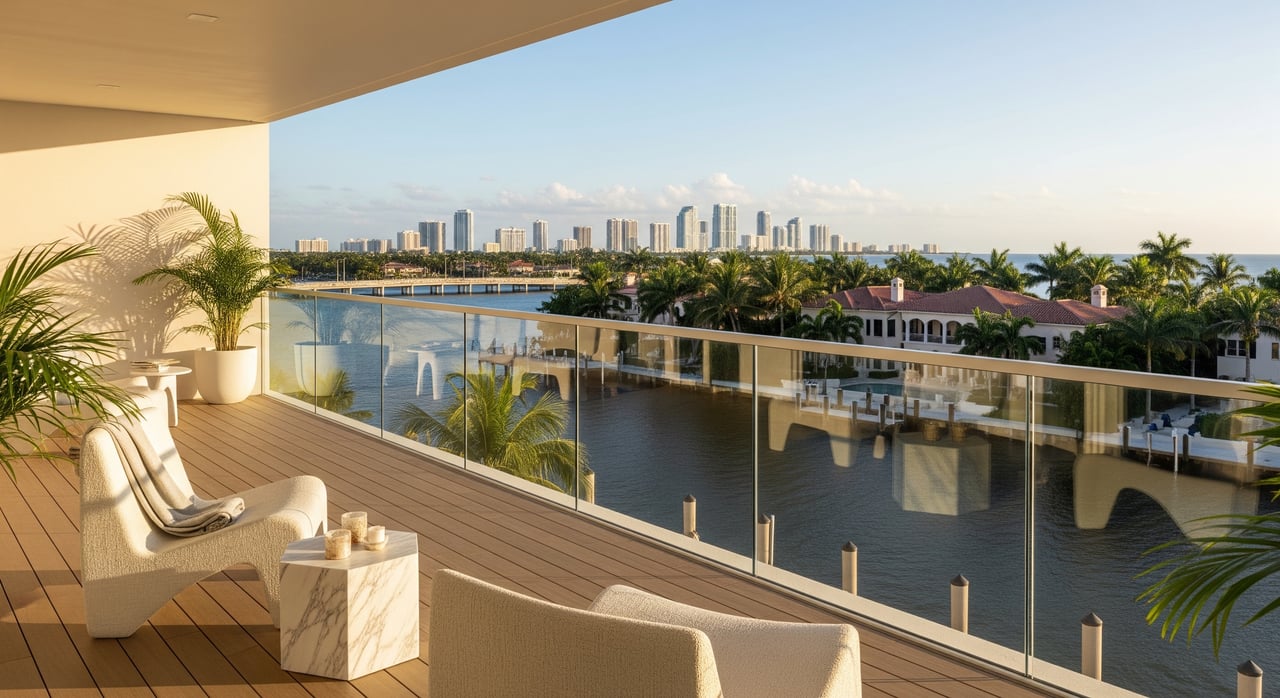
Living near Flagler Drive gives you direct access to waterfront promenades, marinas, and parks. Short walks by the lagoon are part of daily life, and some condos offer striking water views.
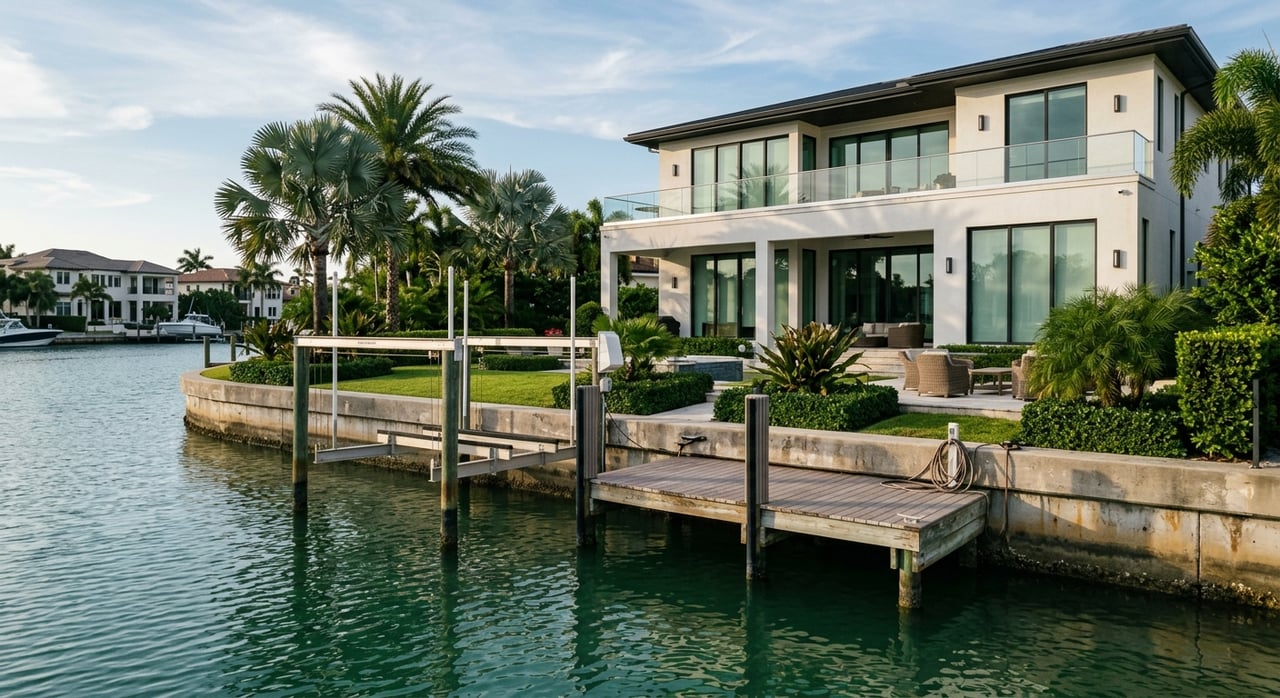
Suburban locations can put you closer to larger parks, golf courses, and community amenities like pools and playgrounds. You are also more likely to have a private yard for pets and outdoor gatherings. Some suburban neighborhoods provide coastal or canal access, though you will typically drive to downtown’s waterfront.
Public schools are administered by the Palm Beach County School District, and assignments are address‑based. Suburban neighborhoods often appeal to families who want larger homes, yards, and a quieter setting. Be sure to confirm school zoning for specific properties and evaluate proximity to child care, pediatricians, and after‑school activities.
Downtown’s energy means more foot traffic, events, and urban noise from restaurants, deliveries, and street activity. Suburban streets are typically quieter and more residential. Always visit at different times to see how each area feels and talk with neighbors for first‑hand perspective.
Your best fit depends on your priorities, budget, and daily rhythm. Downtown West Palm Beach shines for walkability, culture, and water access, while suburban neighborhoods deliver space, privacy, and easier parking. If you want tailored guidance and current market insight across condos, townhomes, and single‑family homes, connect with the local experts at Power Duo Group. We will help you compare neighborhoods, set a smart touring plan, and move with confidence.
Stay up to date on the latest real estate trends.
Partner with Power Duo Group for expert guidance, market insight, and a seamless real estate experience. Whether buying, selling, or investing, we’re here to help you achieve your goals with confidence.