Buying A Vacation Home In Palm Beach
March 24, 2026
March 24, 2026
Dreaming of a sunny escape you can call your own in Palm Beach? You are not alone. From sparkling oceanfront estates to vibrant downtown condos, this market offers an unmatched lifestyle. The key is knowing where your plans fit best, how local rules work, and what costs really look like. In this guide, you will learn how to choose the right neighborhood, navigate rental and tax rules, forecast insurance and HOA expenses, and move from idea to closing with confidence. Let’s dive in.
Palm Beach County is a two-track market. The Town of Palm Beach on the barrier island is an ultra-luxury micro-market with scarce inventory, historic estates, and ocean or Intracoastal frontage. Across the county, you will also find a broad mix of condos, townhomes, and single-family homes in the mid-priced tiers. County-level median sale prices commonly sit in the mid-400 to 500 thousand range, while island properties trade at multi-million dollar levels with a premium for privacy and waterfront access.
Seasonality is real. High season typically runs from late fall through spring, which pushes demand for both ownership and seasonal rentals. If you plan to offset costs with rental income, model rates and occupancy with a realistic high-season and off-season split.
If exclusivity, privacy, and polished service are your focus, the island is the benchmark. Inventory is limited, and many properties feature ocean or Intracoastal frontage. Short-term rentals are not allowed on the island, so if you expect to operate nightly or weekly stays, this location will not fit that plan. The Town explains the prohibition in its official rental FAQ.
Across the bridge, West Palm Beach delivers a lively downtown, waterfront promenades, cultural venues, and a strong condo market. You can find high-rise residences, renovated historic homes, and gated waterfront options. Short-term and seasonal rentals may be possible in some buildings or neighborhoods, but registration and safety rules vary. Confirm city requirements and any HOA or condo restrictions before you write an offer.
Boca Raton and Delray Beach combine luxury housing with golf, marina amenities, and excellent dining and shopping. Delray’s Atlantic Avenue area sees especially active seasonal demand, which can support strong winter bookings when permitted. Local licensing, business tax receipts, and county tourist taxes apply in many cases, and some residential areas limit short-term rentals. Review municipal codes and association documents early. A practical overview of local registration and combined tax steps is available in this Delray compliance guide.
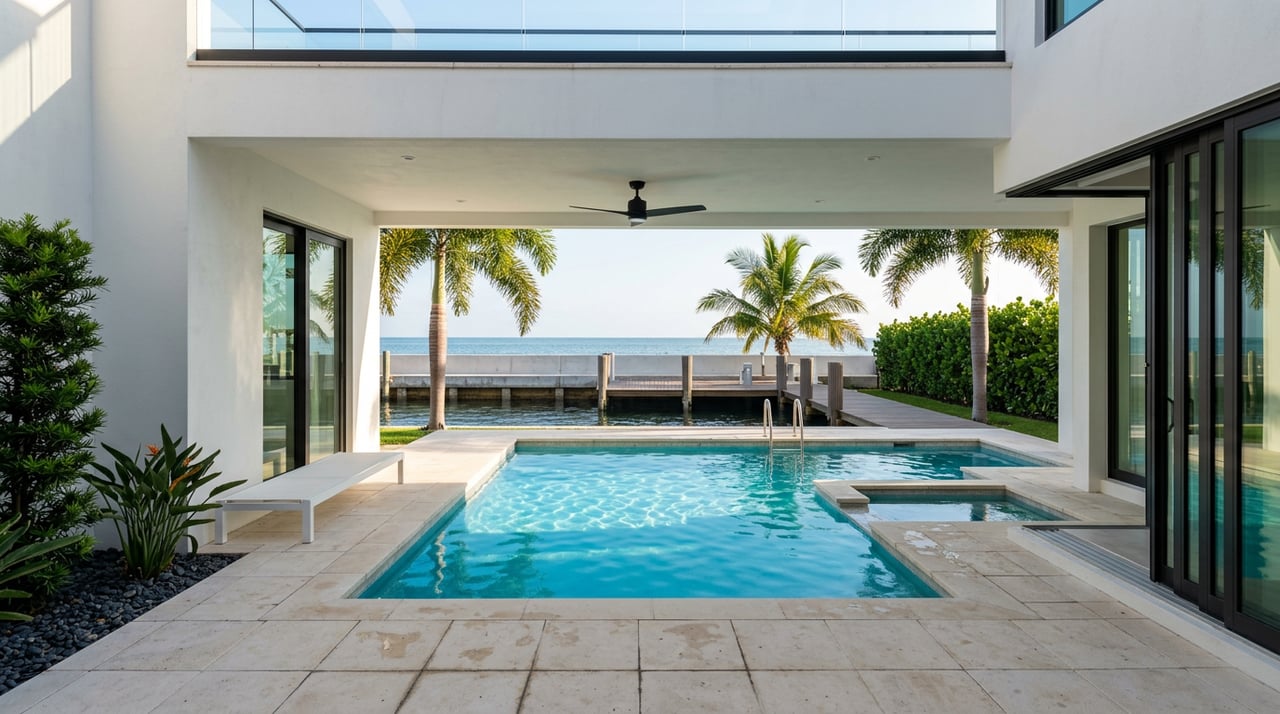
Waterfront addresses are not all the same. Intracoastal, oceanfront, and canal properties each carry different considerations for insurance, docks, and permits. If boating is a priority, verify existing dock permits, bulkhead or seawall condition, water depth, and any marina or bridge clearance restrictions. Ask for recent elevation data and plan for a marine engineering review during inspections.
Florida has no personal state income tax, which many second-home owners appreciate. Property taxes are assessed locally based on taxable value and millage rates. Homestead benefits and Save Our Homes caps apply only to a primary residence, so a second home will not receive those protections. You can review parcel-specific history and exemptions with the Palm Beach County Property Appraiser.
Florida’s insurance market has been volatile, though state regulators reported signs of improvement in 2024 and 2025. Coastal premiums and deductibles in South Florida remain materially higher than the U.S. average. Expect to secure separate windstorm coverage in high-velocity zones, larger hurricane deductibles, and careful underwriting for waterfront homes. Stay current on market conditions through the Florida Office of Insurance Regulation.
Flood insurance is a separate policy in most cases. Under FEMA’s newer methodology, rates are more property-specific, so elevation, distance to water, and construction details can change your premium significantly. Use the NOAA Sea Level Rise viewer as a screening tool and request an elevation certificate when needed.
Many carriers require a 4-point inspection and a wind-mitigation report prior to binding. Features like impact-rated windows, roof-to-wall connections, and secondary water resistance can lower premiums. Learn how these inspections affect pricing in this Florida insurance inspections guide.
Association fees vary widely, especially in luxury high-rises where master policies, reserves, and building staff drive budgets. Add utilities, pool and landscaping, routine maintenance, security, and housekeeping for the season. If you plan to rent short term, management fees commonly fall in the mid-teens to low-20 percent range of gross rent, and full-service concierge programs can run higher. Build these costs into your carrying-cost model before you make an offer.
Loan classification matters. A true second home often receives more favorable parameters than an investment property, but lenders typically require you to intend personal occupancy and hold additional reserves. Review current agency guidance on maximum loan-to-value ratios and reserve rules in Freddie Mac’s matrix. In Palm Beach’s ultra-luxury tier, many buyers choose cash or jumbo financing due to price points above conforming limits. Plan for higher down payments and more detailed asset documentation when using jumbo loans.
Florida defines a “vacation rental” as a property rented to guests more than three times in a calendar year for periods of less than 30 days, or held out as regularly rented. That use triggers state licensing with the Division of Hotels and Restaurants and brings life-safety standards into play. Review the state guidance on licensing thresholds and process from the Florida DBPR.
Local rules vary. The Town of Palm Beach prohibits short-term rentals. Other cities use registration, inspections, and zoning limits to manage transient lodging. If you will collect rent, remember to register and remit state sales tax and the county’s Tourist Development Tax. You can preview local steps and combined tax concepts in this Delray legal overview. Always confirm current requirements with the city or county where the property sits and your HOA or condo association.
Tax rules depend on how you split personal and rental use. If you use the home personally for more than the greater of 14 days or 10 percent of the days it is rented at fair market value, it is treated differently than a primarily rental property. Special rules apply if you rent for fewer than 15 days in a year. For details on depreciation, passive loss limits, and allocation of expenses, review IRS Publication 527 and coordinate with a CPA.
Follow this checklist to protect your investment and speed up closing.
A Palm Beach vacation home can elevate your lifestyle and create flexible options for visiting family, business travel, and seasonal income. The best results come from clear planning: confirm your intended use, pick the right neighborhood fit, model insurance and HOA costs early, and align lending and tax strategies with your goals. If you want a local, step-by-step partner from search to keys, the team at Power Duo Group is ready to help you map the path and move confidently.
Stay up to date on the latest real estate trends.
Partner with Power Duo Group for expert guidance, market insight, and a seamless real estate experience. Whether buying, selling, or investing, we’re here to help you achieve your goals with confidence.