Selling A Historic Home In West Palm Beach
June 11, 2026
June 11, 2026
Wondering whether selling a historic home in West Palm Beach is just like selling any other older house? It usually is not. If your home sits in a locally designated historic district or has its own designation, you may be dealing with extra documentation, exterior review rules, and buyer questions that do not come up with a standard listing. The good news is that with the right prep, you can highlight your home’s character, reduce surprises, and present it with confidence. Let’s dive in.
West Palm Beach’s Historic Preservation Program covers 18 locally designated historic districts and 46 individually designated sites. The city ties much of this housing stock to the 1920s building boom, with later postwar and midcentury infill adding to the mix.
That matters because your sale is not only about square footage and updates. It is also about how the property fits within local preservation rules, what changes were approved in the past, and how clearly you can explain the home’s condition and history to buyers.
A big point of confusion is the difference between local historic designation and National Register listing. In West Palm Beach, local designation is what triggers exterior review under the city ordinance and design guidelines.
By contrast, National Register listing by itself does not restrict an owner’s basic right to use or sell the property. If your home is in a locally designated district, or individually designated by the city, that local status is what buyers and sellers need to understand first.
Within a historic district, a property may be classified as contributing or noncontributing. Even so, noncontributing buildings can still be reviewed when exterior changes affect size, massing, or placement.
For sellers, this means you should avoid assuming that a buyer can make any exterior change they want after closing. A clear explanation of the property’s status can help set realistic expectations early.
Historic-home buyers in West Palm Beach are often drawn to character, design, and location. They may also have practical questions about permits, materials, repairs, and whether recent improvements followed city requirements.
If you can answer those questions up front, your listing feels more credible and easier to evaluate. That can help reduce hesitation during showings, inspections, and negotiations.
The city says any exterior change that alters a historic property’s appearance may require a Certificate of Appropriateness. Historic approval must happen before permits are issued for proposed work.
Interior remodeling is not reviewed by the city’s historic process. So when you prepare your listing, it helps to separate interior updates from exterior work and document the exterior items carefully.
West Palm Beach says common alteration requests involve roofs, windows, and exterior cladding or siding. The city’s guidance emphasizes historically compatible materials, which can become a major talking point if you have already completed exterior work.
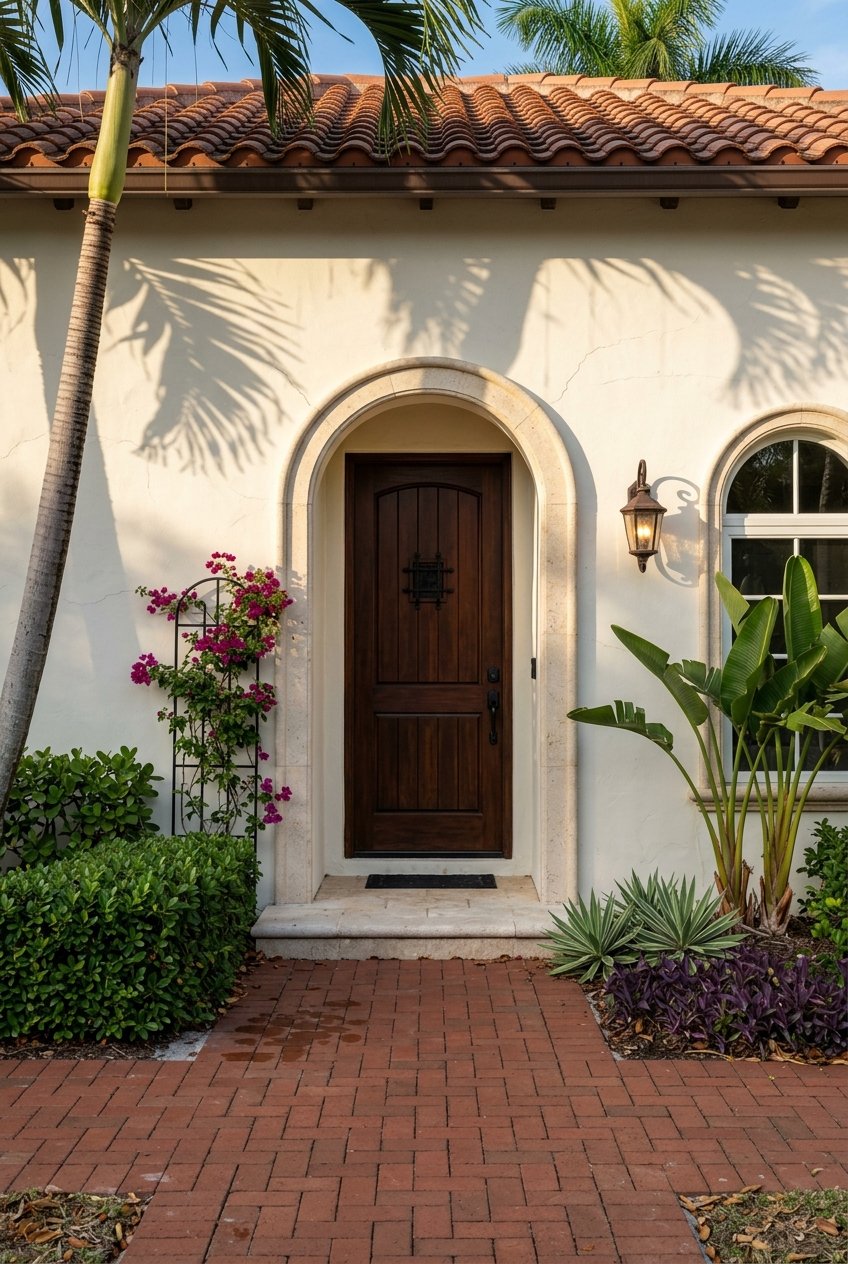
For example, vinyl is generally not permitted for windows or fences in historic districts. Metal roofing may be appropriate for some styles, such as Craftsman, bungalow, or frame vernacular, but not for Mission or Spanish Colonial-style houses.
Not every project creates a preservation issue. The city says general maintenance that does not require a permit, such as painting or minor exterior repair, does not need additional review.
The city also says paint colors are not regulated, though staff may recommend period-appropriate palettes. Landscaping is not subject to historic review, but structures like walls, fences, decks, patios, pergolas, and sheds are.
The smoother your file, the smoother your transaction often feels. Historic-home sales benefit from extra organization because buyers tend to look closely at what was changed, when it was changed, and whether it was approved.
A strong pre-listing process can also help you spot issues before they become negotiation problems. That gives you more control over timing, pricing, and how the home is presented.
Start by collecting the documents that help tell the property’s story. If exterior work was done, buyers will want clarity on approvals and permits.
Useful records may include:
Take a practical look at roofs, windows, siding, fencing, additions, and other visible changes. Because West Palm Beach requires historic approval before permits are issued for exterior work, buyers may be especially focused on whether those items were handled correctly.
If you are unsure about a prior project, it is better to identify that early than to let it surface during contract negotiations. Clean documentation helps reduce uncertainty.
UF/IFAS describes home inspections as focusing on major systems and visible conditions, including the roof, electrical system, heating and cooling, and plumbing. In an older home, age-related wear and prior repairs often deserve extra attention before you go live.
If a specialized issue is likely, use a professional with experience in that area. UF/IFAS notes that inspectors should have expertise in the specific subject being inspected.
Florida is a termite-heavy market, and this matters even more in older homes with wood framing or historic wood details. FDACS says termites cause more damage to structures than fires, floods, and storms combined, and homeowners insurance does not cover termite damage.
A licensed pest control company can inspect and treat the home if needed. A WDO inspection may also come up during the transaction, either at a buyer’s request or through lender requirements.
If your home was built before 1978, lead-based paint disclosure is a key part of the sale. HUD and EPA say sellers of most pre-1978 housing must disclose known lead-based paint and hazards and provide the approved lead pamphlet.
This is not something you want to scramble for late in the process. Having your disclosure package ready helps your transaction move more smoothly.
Historic homes should not be marketed as “old” and left at that. In West Palm Beach, the stronger approach is to connect age with craftsmanship, design, and the lifestyle appeal of established areas tied to the city’s growth.
The city’s FAQ says historic designation has not been found to hurt property values, and comparable historic properties can have equivalent or higher values, especially in older neighborhoods near downtown or commercial areas. That supports a pricing and marketing strategy built around character and context, not apology.
The city’s design guidance says historic properties are valued for quality of construction, architectural detail, and connection with the neighborhood. Your marketing should reflect that.
Focus on features such as:
Buyers tend to feel more comfortable when they can see not only what was updated, but also how it was updated. If your roof, windows, fence, or addition was approved and completed with compatible materials, that should be part of the listing story.
This kind of documentation can lower buyer anxiety. It also helps your home stand apart from listings where the work history is unclear.
West Palm Beach’s historic areas are closely tied to the city’s development pattern and are often nearer to downtown or commercial areas. The city notes that this can translate into better accessibility and comparable or higher values.
That gives you a strong, factual marketing angle. You can emphasize convenience, architectural identity, and long-standing neighborhood character without relying on vague claims.
Some seller decisions can affect marketability more than others. In historic districts, big exterior changes often involve a higher level of review, which can shape both buyer expectations and your negotiation strategy.
This is especially true if the property has an unfinished project, a recent addition, or questions around demolition or rebuild potential.
Any building that is individually designated or located within a historic district requires Historic Preservation Board review before demolition. The city says contributing properties are generally not approved for demolition.
All demolition permits in the city are reviewed by historic staff. In some cases, structures 35 years or older in certain surveyed historic districts may also require an independent consultant review.
If demolition is proposed, the city says new construction plans must be compatible with the historic district and surrounding houses. That is important if a future buyer is thinking primarily in terms of teardown value.
As a seller, you do not want to overpromise redevelopment possibilities that may not align with city review standards. Accurate positioning protects your credibility and helps avoid wasted time.
For some buyers, a historic home’s long-term ownership costs matter as much as its charm. If your property qualifies, local tax incentives may be worth mentioning in a factual, measured way.
West Palm Beach and Palm Beach County both offer ad valorem tax abatement programs for qualified improvements to contributing or individually listed historic properties. The city says the exemption can apply to increases in assessed value from qualifying improvements for up to ten years, and the application must be approved before work starts.
The city’s overview says the exemption may cover up to 100% of the assessed value of qualifying improvements, including interior or exterior work. That can be meaningful, but only when the property and the work meet program requirements.
If you previously received this approval, include that paperwork in your listing file. If not, it is better to present the possibility carefully rather than as a guaranteed benefit.
Historic-home buyers often expect more detail, and they should. A tidy file helps them understand the home’s condition, compliance history, and upgrade path without guessing.
That can lead to stronger confidence and fewer delays. It also supports better communication between seller, buyer, inspectors, and any professionals involved in reviewing the home.
Before listing your historic home in West Palm Beach, try to have these items ready:
Selling a historic home in West Palm Beach takes more than great photos and a sign in the yard. You need a strategy that respects the property’s character, anticipates buyer concerns, and presents the home with clean documentation and strong local context. When that work is done well, your home’s history becomes an asset, not a hurdle.
If you are thinking about selling and want a smart, organized plan for your next move, connect with Power Duo Group for knowledgeable, full-service guidance in the West Palm Beach market.
Stay up to date on the latest real estate trends.
Partner with Power Duo Group for expert guidance, market insight, and a seamless real estate experience. Whether buying, selling, or investing, we’re here to help you achieve your goals with confidence.